


Wellbeing
The emotional wellbeing of pupils, staff, parents and carers is crucial to living a happy, successful and healthy life. There are times, however, when we all need a little support in achieving this.
Top Tips for boosting mental health
Talk - share your feelings with friends and family - it doesn't have to be a big sit down conversation, let it develop as you do something together.
Keep physically active - get all those endorphins going in the brain which help us feel good
Eat well and regularly - this regulates your blood sugar levels which impacts on your mood and helps concentration - your brain needs nutrients too!
Get a good night's sleep – one of the hardest things to do sometimes – but here are some tips:
- Leave your phone downstairs and get a traditional alarm clock
- Get into a good routine
- Practise some breathing and relaxation techniques
Connect with others and be sociable. Try volunteering - helping others can make you feel part of the community and make you feel good about your place in the world.
Do something you are good at! Lose yourself in an activity or hobby - enjoying yourself can help beat stress and achieving something can really boost your self-esteem.
Develop some coping strategies for difficult/stressful situations - these will be personal to you, but could include writing lists, listening to music, repeating positive phrases to yourself, imagining a calm landscape. Know what works for you and practice them so they are ready at hand.
Ask for help! One of the bravest things we can do is ask for help, and there is no weakness or shame in doing so! One of the most important ways we can keep healthy mentally is to recognise when you aren't feeling good.
There is a vast amount of support online that is free to access and offers guidance, advice, support and tips on how to deal with mental illnesses like anxiety and depression. This support ranges from case studies to helpful hints, and also offers phone numbers in case this support is required.
Promoting positive mental health is essential to success. The online support organisations below are some of the many ways we can extend the range of support available to our school and the wider community. Please see some useful links below and support materials from the Mental Health Foundation.
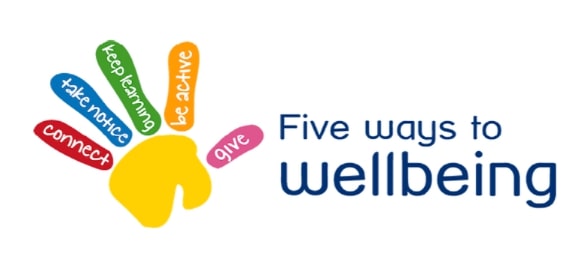 At Colley Lane we try to include the five ways to wellbeing in everyday life. These are nationally recognised strategies that can be used to improve everybody’s wellbeing on a daily basis.
CONNECT – With the people around you. With family, friends and neighbours. At home, work, school or in your local community.
BE ACTIVE – Go for a walk or run. Step outside. Cycle. Play a game. Garden. Dance.
TAKE NOTICE - Be curious. Catch sight of the beautiful. Remark on the unusual. Notice the changing seasons. Savour the moment, whether you are walking to school, eating lunch or talking to friends. Be aware of the world around you and what you are feeling.
KEEP LEARNING – Try something new. Rediscover an old interest. Sign up for that course. Take on a different responsibility at school. Fix a bike. Learn to play an instrument or how to cook your favourite food.
GIVE - Do something nice for a friend, or a stranger. Thank someone. Smile. Volunteer your time. Join a community group. Look out, as well as in.
If you have any concerns please contact Miss Parkes or Mrs Edwards through dojo or the wellbeing@colley.windsoracademytrust.org.uk email.
| Organisation | Support for... |
|---|---|
| Kooth | All young people. |
| Stonewall | Lesbian, gay, bisexual and transgender people and support for parents. |
| Young Mind | Project based advice for young people and parents/carers. Helpline number for parents/carers. |
| Anxiety UK | Young people. Support for anxiety conditions. |
| Heads Together | Young people. Promotes talking about mental health and getting rid of the stigma attached to it. |
| Place2Be | Parents/carers. Provides emotional support for children. |
| CALM | Men |
| ChildNet | Parents and carers. Working to keep the internet a safe place to be. |
| The What Centre Limited | Parents and carers. A place for parents/carers to access services in the local area. |
| Samaritans | All people with suicidal thoughts. |
| The Children's Society | Advice for young people. |
| Selfharm UK/Virtual College | Free online course designed to help parents talk about the issue of self-harm with their children. |
| The Anna Freud National Centre for Children and Families | Support for families. |
| Parent Zone | Internet use. |
| Action for Happiness | Monthly calendars packed with actions you can take to help create a happier and kinder world. |